


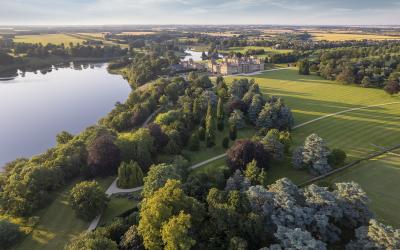
Located in Oxfordshire, England, Blenheim Palace stands as one of Britain’s most magnificent architectural achievements and finest tourist attractions. Built during the early eighteenth century as a reward for military victory, this World Heritage Site encompasses not only an extraordinary palatial residence but also expansive formal gardens, parkland and cultural facilities that collectively create a comprehensive destination for visitors seeking to explore British heritage and historical significance.
Architectural Grandeur and Historical Significance
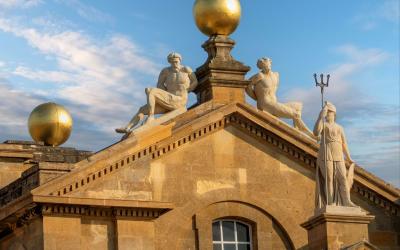
Blenheim Palace represents a masterpiece of Baroque architecture designed by renowned architect John Vanbrugh. The palace was constructed between 1705 and 1722 as a gift to John Churchill, the first Duke of Marlborough, following his victory at the Battle of Blenheim. The building showcases the architectural principles and aesthetic sensibilities of the early Georgian period, featuring imposing stone facades, intricate decorative elements, elaborate interior spaces and commanding perspectives across the surrounding estate. The sheer scale and ambitious design of the palace reflect both the wealth of its original patron and the significant place it was intended to occupy within English aristocratic society. The construction required substantial resources and involved master craftsmen from across Europe, working for years to realize Vanbrugh’s visionary design.
Interior Spaces and Collections
Inside Blenheim Palace, visitors encounter richly decorated state rooms, grand staircases and chambers that showcase both historical authenticity and careful restoration efforts undertaken to preserve the building for future generations. The interior spaces feature furniture, artwork and decorative objects accumulated over centuries of aristocratic occupation. Many rooms maintain period-appropriate furnishings and decorative schemes that offer insights into aristocratic life and aesthetic preferences across different historical periods. Fine art collections include paintings, sculptures and tapestries of significant artistic and cultural value, many created by renowned masters of their eras.
The contrast between different periods and styles visible throughout the palace reflects the evolving tastes of successive generations of occupants and the historical layering that occurs within inhabited historic buildings. Walking through these spaces provides visitors with multiple perspectives on how people lived across nearly three centuries of English history. The collections represent not just artistic value but also social history, reflecting the changing priorities and interests of the families who lived within these walls. Professional conservators work continuously to maintain these treasures for education and enjoyment.
Gardens and Landscape Design
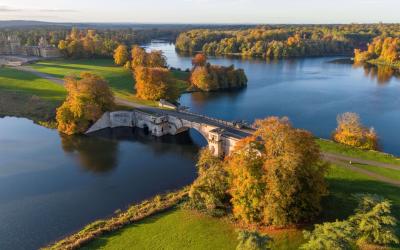
The formal gardens surrounding Blenheim Palace represent another significant achievement in British landscape design. Created by renowned landscape architect Capability Brown, the gardens employ sophisticated principles of perspective, proportion and natural beauty to create visually compelling outdoor spaces. The gardens include parterre gardens with intricate planting patterns, water features including ornamental lakes, sculptural elements positioned strategically throughout the landscape and walking paths allowing visitors to experience the grounds from multiple vantage points. Different seasons bring different visual qualities to the gardens, with spring blooms, summer greenery, autumn colors and winter architectural features creating varying experiences throughout the year.
The landscape design principles applied at Blenheim Palace influenced English garden design for generations. The integration of natural features with artificial elements creates an aesthetic that appears effortless despite requiring careful planning and ongoing maintenance to preserve the original vision. The park encompasses hundreds of acres, providing space for diverse ecosystems and recreational opportunities.
Visitor Experiences and Activities
- Guided tours through state rooms provide historical context and detailed information about significant artifacts and architectural features.
- Self-guided exploration of gardens allows visitors to discover landscape features and scenic viewpoints at their own pace.
- Outdoor activities including walking, picnicking and photography opportunities throughout the extensive grounds.
- Educational programs and exhibitions explore historical periods, architectural techniques and the lives of inhabitants across centuries.
- Seasonal events and special exhibitions provide changing experiences that encourage repeat visits throughout the year.
Churchill Connection and Cultural Impact

An interesting historical fact about Blenheim Palace involves its connection to Winston Churchill, the renowned British statesman who was born here. Churchill’s life and significance in twentieth-century history provide an additional historical layer that attracts visitors interested in broader British political and military history. The palace has been featured in numerous films and television productions, further raising its profile as an iconic location representing British heritage and aristocratic history. This cultural prominence ensures that Blenheim Palace remains recognized internationally as a symbol of British architectural and historical achievement. The palace’s status as a working historic property continues to evolve, serving educational and cultural functions while preserving its distinctive character.
Planning Your Visit
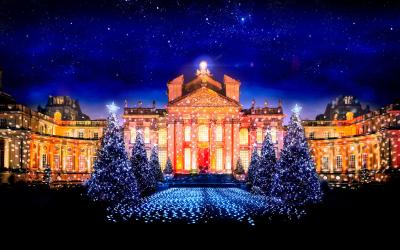
Visitors to Blenheim Palace benefit from planning their trips in advance, considering seasonal factors, weather conditions and available time. The palace and grounds are extensive enough to require several hours for meaningful exploration, though visitors can structure their visits based on available time and personal interests. Accessibility information helps visitors with mobility considerations plan appropriate routes through the building and grounds. Facilities including cafes and restaurants support longer visits. Photography policies allow visitors to capture their experiences, subject to certain restrictions in some interior spaces. Planning around opening hours and seasonal closures ensures visitors have optimal experiences when they arrive.